
Share:


Is Your Business Ready for the Silver Tsunami?
- The aging population will drastically change society and business.
- Older people will soon outnumber children for the first time in human history.
- Older Americans have concentrated more wealth than any other generation, and they’re living longer.
- Just as the Baby Boomers changed culture, they will change what it means to age.
- People are working longer but their exit from the workforce leaves huge experience and labor gaps.
- More single older people will shift the burden of care from families to societies.
- Don’t risk getting hit by the silver tsunami. Plan now to ride the opportunity.
We’re living through one of the greatest revolutions in history, and it’s not about a global pandemic, the internet, technology or globalization. More people will experience what few in human history have: extended old age.
Getting older may sound banal; it’s anything but. The aging population will impact every aspect of society and business in dramatic and radical ways. Are you ready?
Here’s what you need to know and mull over now to get prepared.
The how: seismic shift
According to the U.S. Census Bureau, 10,000 Americans turn 65 every day. The twentieth century saw exponential growth in the number of people over 65, from 3.1 million in 1900 to 35 million in 2000. The Census Bureau projects that by 2030, older people will outnumber children for the first time in history. Enter silver tsunami and gray wave into the lexicon.

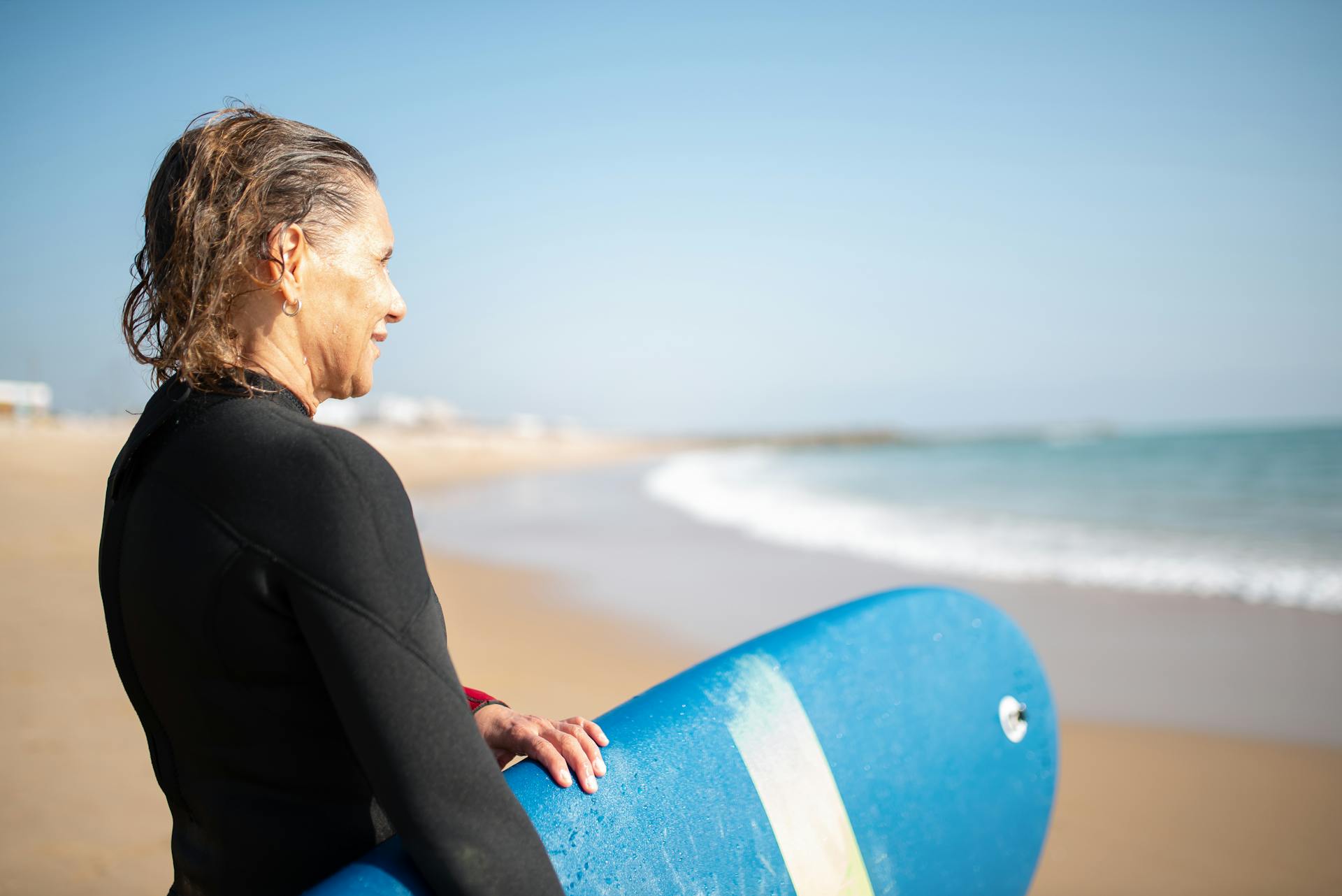
Photo by Vlada Karpovich via Pexels
The how: a concentration of wealth
The aging population will dominate society not only due to its sheer size but also due to its concentration of wealth. As their major expenses like home, car and student loans decline, that leaves a hefty portion for discretionary spending like travel and entertainment.
The so-called longevity economy driven by U.S. seniors accounted for $8 trillion worth of economic activity in 2015 alone. By 2030, Americans 55 and older will account for half of all domestic consumer spending growth. The McKinsey Global Institute cites seniors as one of the few engines for economic growth in the coming years.
The how: changing what it means to age
Do Boomers think they’re 20- and 30-somethings? Nope. Do they think they’re old? Definitely not. They’ve got vim, vigor and a whole lotta life yet to live. They know age is just a number, and they won’t take kindly to products and services that tell them they’re irrelevant, a problem to be solved, in decline or without choice and agency.
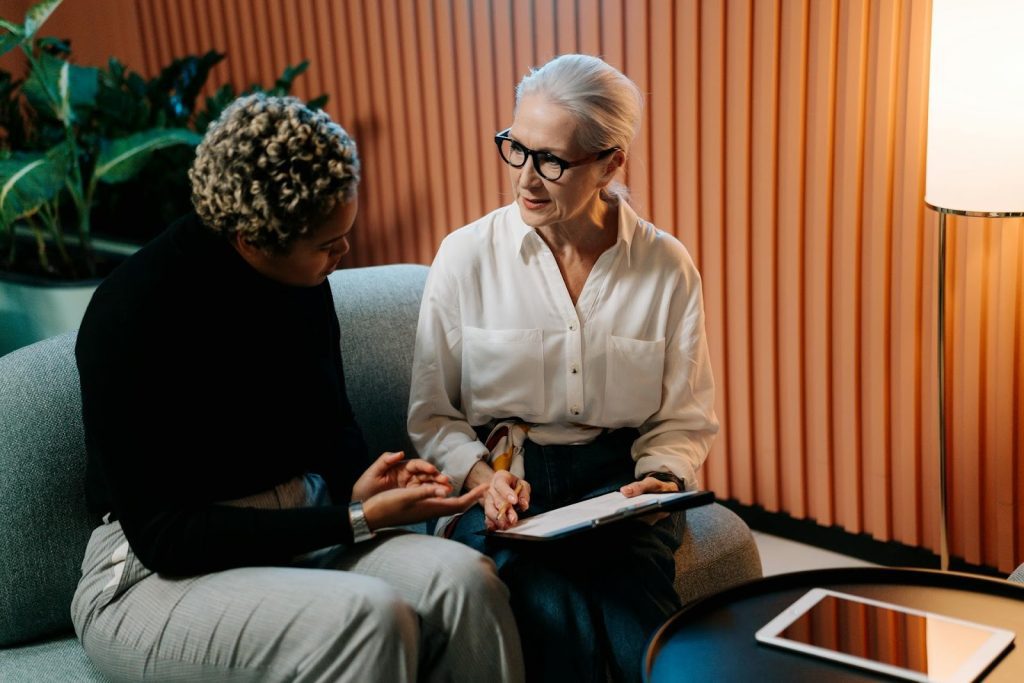
Photo by cottonbro studio via Pexels
The why: workforce
The aging workforce: it’s complicated. On the one hand, people are working longer. The U.S. Senate Special Committee of Aging says that by 2026, 42.1 million Americans over 55 will still be in the workforce, whether by choice or necessity.
However, it’s becoming increasingly difficult for older workers to thrive at work due to age discrimination, inadequate training and underemployment. Throw in health issues and caregiving responsibilities for parents living into extended old age, and senior workers get crunched even more.
What’s more, businesses, governments and nonprofit organizations risk labor gaps as Boomers retire and the replacement pipeline lags. Leadership positions will be especially hard hit.
The why: less family
A third of seniors live alone according to the Institute on Aging. The term elder orphan describes people living alone with little to no support. One study estimates the prevalence of elder orphans over 65 as high as 22 percent.
Increased rates of chronic illness in addition to social determinants of health will shift the burden of care to governments, communities and healthcare systems.

Photo by roman raizen on Unsplash
The why: risk + opportunity
The silver tsunami poses serious threats—it takes its name from a natural disaster after all. It’s this big, scary thing that’s already crashing ashore.
However, it’s also an opportunity for business innovation, cross-sector collaboration, entrepreneurism and disruption. It’s going to take guts and grit to get to glory. And a really big surfboard.
Start by asking these questions about your business:
- Are we ignoring this audience and their purchasing power?
- Are we speaking to them on their terms about what it means to age well?
- What can we learn from older employees and how do we need to plan for their succession?
- Is there an opportunity for us to step into the void to serve elder orphans?
- What products or services make sense for us to provide this audience?
Once you’ve answered these questions, you can then dive into marketing. That’s where we come in with over a decade of senior-marketing experience.
We’re ready to help you build whatever size surfboard you need—metaphorically speaking, of course. Hit us up to chat.